

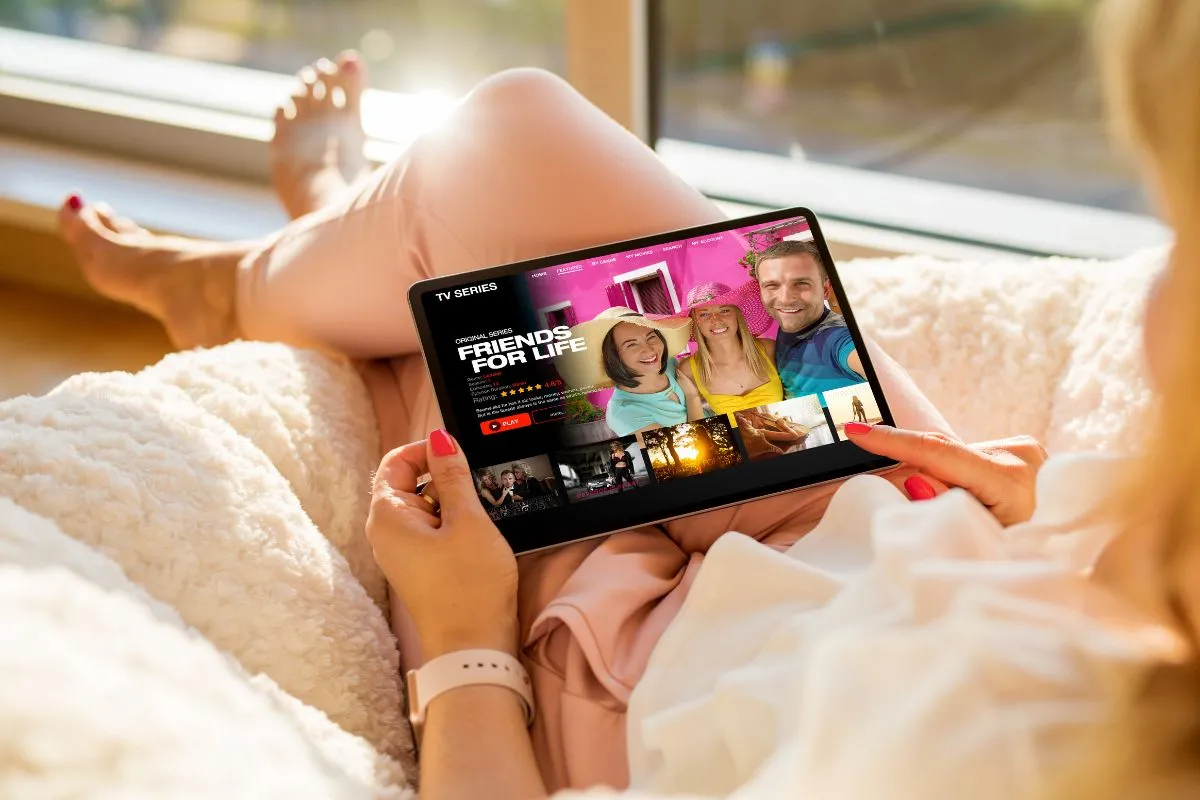
In today’s fast-paced world, streaming has flipped the script on how we consume TV. Forget waiting for shows to air. Now, everything’s at your fingertips. With endless options and exclusive content, viewers crave flexibility and personalization. How does this streaming revolution impact traditional TV? Dive in to explore the dynamic shift transforming our viewing habits forever.
Sommaire
ToggleThe evolution of streaming platforms
Streaming platforms have transformed the landscape of TV content, offering unprecedented access to diverse and exclusive shows. The shift from traditional broadcasting to on-demand viewing reflects a broader cultural change. Services like Netflix and Hulu provide tailored recommendations, catering to individual tastes. This evolution allows viewers to explore genres and discover new favorites. With high-speed internet and smart devices, streaming becomes more accessible, reshaping content delivery methods. As more platforms emerge, they continue to innovate, providing unique experiences and content that captivate modern audiences, further changing how movies are distributed globally.
Rise of on-demand content
The rise of on-demand content revolutionizes how viewers engage with TV. Unlike traditional schedules, viewers access shows anytime. Platforms like Netflix and Hulu offer a vast library of movies and series, catering to diverse tastes. This shift empowers audiences with flexibility and control, aligning with busy urban lifestyles. Exclusive releases draw viewers seeking unique experiences. Binge-watching becomes a norm, reflecting changing consumption patterns. As viewers demand more, streaming services continually expand content offerings, shaping a new era of entertainment. The impact of streaming on TV content remains profound and ongoing.
Diversity and exclusivity in streaming services
Streaming platforms revolutionize how audiences access content. These services offer unique and diverse options, attracting viewers worldwide.
- Exclusive original series and films
- Global reach with localized content
- Variety of genres and niche interests
- Flexible subscription plans
- Access to international productions
The modern viewer expects diverse choices and exclusive content. Streaming platforms cater to these demands, reshaping how people consume entertainment.
Streaming’s influence on traditional TV
Streaming reshapes TV by causing a decline in cable subscriptions. Viewers prefer on-demand services, which offer flexibility and diverse content. Traditional networks now adapt by launching digital platforms. They compete with streaming giants for attention, offering exclusive shows and personalized experiences. This shift disrupts the old TV model, pushing it towards a digital future. Streaming impact on TV remains significant, transforming how audiences consume media.
Decline of cable subscriptions
Cable subscriptions witness a sharp decline as streaming platforms offer more flexibility and diverse content. Urban audiences seek personalized experiences, leading to a shift from traditional TV to on-demand services. High-speed internet and smart devices fuel this transition, allowing viewers to watch anytime, anywhere. TV networks struggle to retain subscribers who prefer the convenience of streaming. As a result, more households cut the cord, opting for digital platforms. This trend reshapes how content gets consumed, impacting the entire television industry.
TV networks adapting to digital platforms
Television networks rapidly embrace digital platforms to stay competitive. They explore new avenues to capture the modern audience’s interest.
- Launching exclusive streaming apps
- Partnering with major streaming platforms
- Offering on-demand content libraries
- Integrating social media for engagement
- Utilizing data analytics for viewer insights
Networks aim to retain relevance by evolving with technological trends. They focus on digital transformation to meet audience demands for flexibility and personalized content.
Changing viewing habits of the modern audience
Modern audiences embrace new viewing habits with streaming’s rise. This shift reflects in their daily lives and preferences. Here’s how:
- Binge-watching entire series in one sitting.
- Seeking exclusive content across platforms.
- Using mobile devices for on-the-go viewing.
- Preferring ad-free subscription models.
- Engaging with interactive and personalized content.
These habits demonstrate a desire for flexibility and control, reshaping how people consume TV content today.
Binge-watching culture
- Viewers now consume entire seasons in one sitting.
- Content creators release all episodes simultaneously.
- Platforms track and analyze binge-watching patterns.
Binge-watching has revolutionized how audiences engage with TV content. This phenomenon allows viewers to immerse themselves in stories without interruption. It also influences how streaming services design their release strategies. By understanding these habits, platforms can tailor their offerings to meet modern demands. As a result, the streaming impact on TV remains profound, reshaping the industry’s landscape.
Personalized content recommendations
Algorithms tailor content to individual tastes. Users enjoy a personalized viewing experience, enhancing engagement. Platforms like Netflix and Hulu analyze viewing history, suggesting shows or movies. This customization meets the demand for flexibility and exclusive content. Urban viewers appreciate the seamless interface, which offers relevant recommendations. As technology advances, recommendations become more precise. Personalization not only boosts satisfaction but also increases platform loyalty. It redefines how audiences consume and interact with TV content.
Technological advancements driving streaming
High-speed internet and smart TVs revolutionize streaming. They provide seamless access to content anytime, anywhere. Streaming devices enhance user experience, offering flexibility and control. These advancements empower audiences to explore diverse, exclusive content, reshaping their viewing habits.
Impact of high-speed internet
| Aspect | Impact |
|---|---|
| Streaming Quality | Ultra HD content becomes standard |
| Access Speed | Instant content delivery |
| Global Reach | Expanded audience base |
| Interactive Features | Enhanced user engagement |
Development of smart TVs and streaming devices
| Advancement | Feature | Impact |
|---|---|---|
| Smart TVs | Built-in apps | Seamless streaming |
| Streaming Devices | 4K Support | Enhanced viewing |
| Voice Control | AI Integration | User convenience |
The rise of smart TVs and advanced streaming devices transforms how audiences engage with content. These technologies offer built-in apps, enabling instant access to streaming services. Features like 4K support and voice control enhance the viewing experience. AI integration in devices personalizes content discovery. These innovations cater to modern demands for flexibility and quality.
Future trends in streaming and TV content
Interactive content and live streaming redefine TV experiences. The next decade promises more immersive formats, fueled by Netflix’s new releases. Smart technologies and AI-driven recommendations continue to enhance viewer engagement and personalization. Streaming platforms will likely dominate, leading to a new era of content consumption.
Emergence of interactive and live content
Interactive and live content transform the streaming landscape. Viewers crave real-time engagement and personalized experiences. Platforms like Netflix and Hulu introduce features that allow audiences to influence plot outcomes. Live events, such as concerts and sports, stream directly to devices, offering immediacy and connection. This shift challenges traditional TV, pushing it to evolve or risk obsolescence. As technology advances, the demand for immersive and interactive content grows, reshaping how audiences consume entertainment.
Predictions for the next decade in streaming
The next decade promises exciting transformations in streaming. Expect innovations like:
- AI-driven content curation
- Expanded virtual reality experiences
- Integration with smart home devices
- Localized content production
- Hybrid subscription models
- Enhanced mobile streaming capabilities
These shifts will redefine how audiences engage with digital content.
Answers to frequently asked questions
How has the rise of on-demand content impacted traditional TV?
On-demand content allows viewers to watch shows at their convenience. This shift has decreased the reliance on traditional TV schedules and increased competition for cable networks.
Why are streaming services focusing on diversity and exclusivity?
Streaming platforms aim to attract a broad audience by offering diverse content. Exclusivity helps differentiate their brand and retain subscribers with unique shows and films.
What role does high-speed internet play in streaming’s growth?
High-speed internet enables seamless streaming without buffering. It supports higher quality video, making streaming a more attractive option for viewers.
How are TV networks adapting to digital platforms?
TV networks launch their own streaming services and partner with existing platforms. This strategy helps them reach new audiences and stay relevant in the digital age.